Vista Point at Fairview Logo

How to Prepare for Your Future Move — Even Before Vista Point at Fairview is Built

Moving to a Life Plan Community — like Vista Point at Fairview — is an exciting step toward a maintenance-free living and a vibrant lifestyle. Even before the doors officially open, successfully pulling off an adventure of this size requires significant planning.

Sure, you could do it all without a plan and it could work out, but there’s typically less stress and worry with a solid plan. If you’re preparing to move to a retirement community, this is one of those times when a well-thought plan can make all the difference. To help, here’s a retirement community move-in checklist that covers topics like financial planning, choosing the right senior living floor plan, decorating and decluttering tips, and more.

By preparing now, you can make your future move smooth, stress-free, and filled with anticipation instead of anxiety.

Our Life Plan Community Move-In Guide

While the idea of choosing a new residence, selling your home, packing and moving may seem overwhelming, viewing it as a series of small projects can help make it more manageable. This guide breaks the process into small steps to help you move forward at your own pace. Let’s get started.

Decluttering and Downsizing: Where to Start and What to Keep

One of the biggest challenges of downsizing for senior living is deciding what to bring and what to let go of. But downsizing doesn’t mean having to make big sacrifices. It’s about keeping what matters most and simplifying your future home. When you’re ready, get started with these senior downsizing tips:

  • Break it down: Break large tasks down into smaller steps that you can tackle a little bit at a time each day until the job is done.
  • Start simple: Eliminate items that you know you don’t want or need. For example, toss out any expired medicines, pantry items, and food from your fridge and freezer. Recycle old magazines, newspapers, and obsolete technology like old phones and computers.
  • Start small: Avoid beginning in the rooms with the most sentimental stuff like your kitchen or bedrooms. Instead, start in a room that holds little emotional attachment like the laundry room or linen closet.
  • Dump the duplicates: This is especially true in your kitchen where you might have two or three spatulas and ladles, a couple of oversized stock pots and four different sized cookie sheets.
  • Make only “yes” or “no” piles: Take a hard look at every item you pick up. If you use it regularly, keep it. However, if something has been sitting in a closet or on a shelf for a year or more, maybe it’s time to let it go. Don’t fall for creating a “maybe” or “if I have space” pile. You’ll end up with a pile that’s bigger than either of the other two.
  • Creatively reduce collections: It can be hard to thin out a collection you’ve spent a lifetime building. Pick a couple of key items to keep and take high-resolution photos of the rest. You can then have them made into a photo book for your coffee table.
  • Digitize memories: Scan old photos and documents to save space.

By downsizing before your move, you’ll avoid last-minute feelings of being overwhelmed. It will also allow you to create a more intentional living space at Vista Point.

Selecting Floor Plans: Planning Your Ideal Living Space

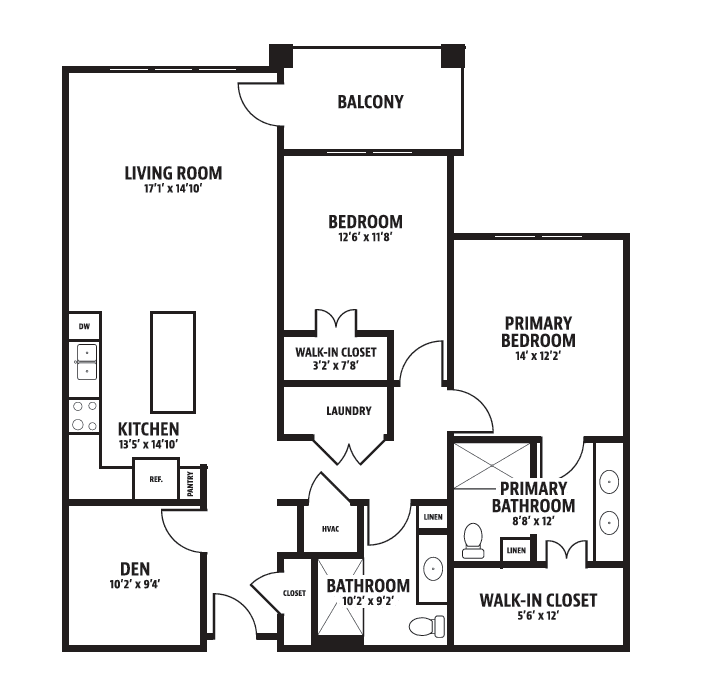
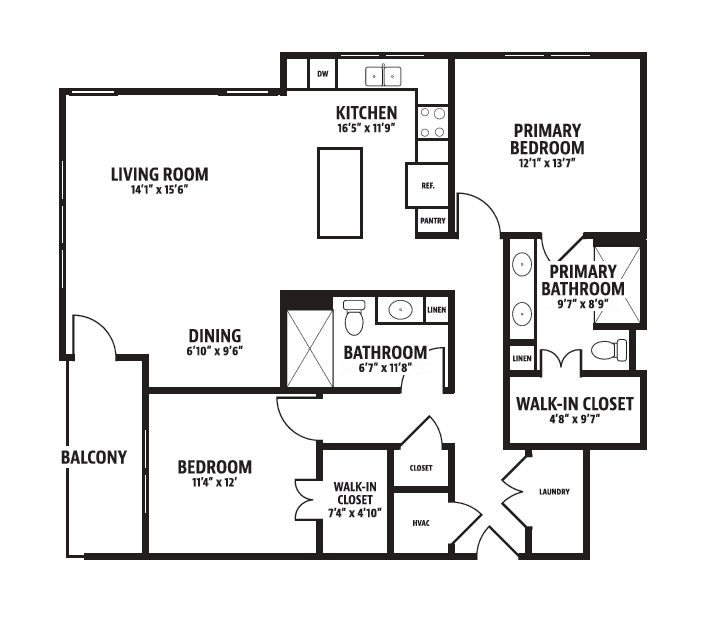
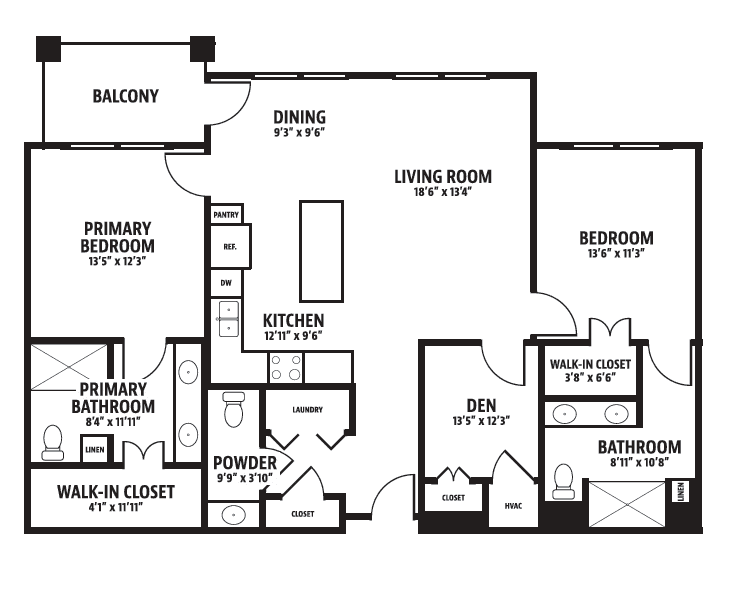
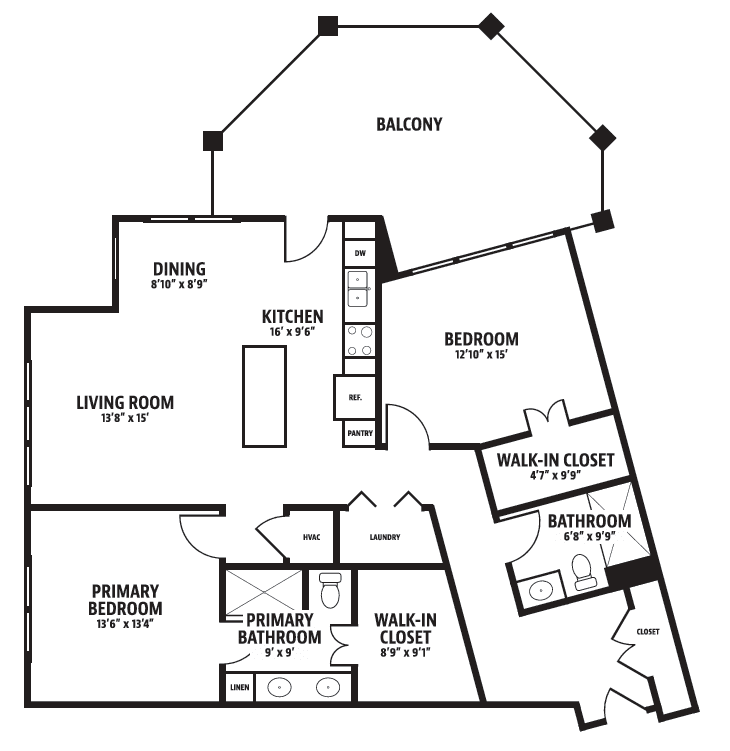
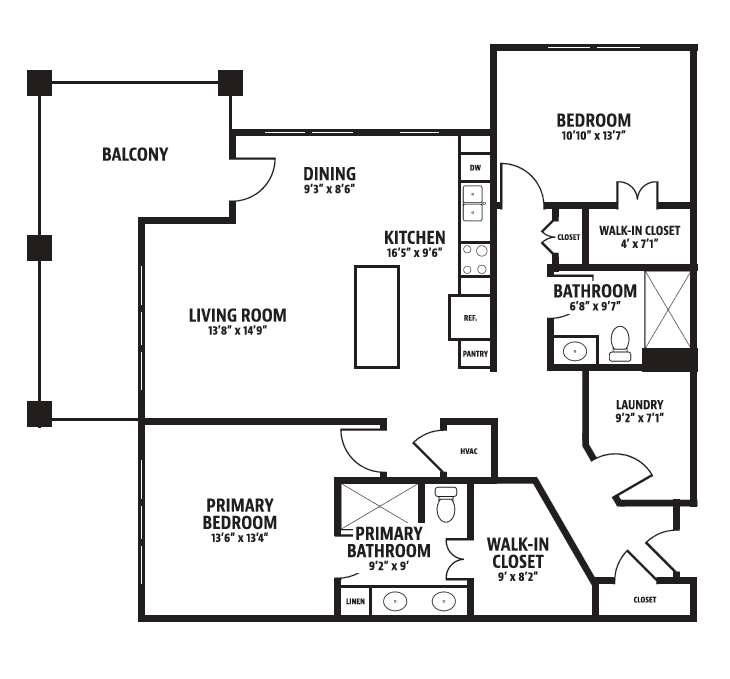
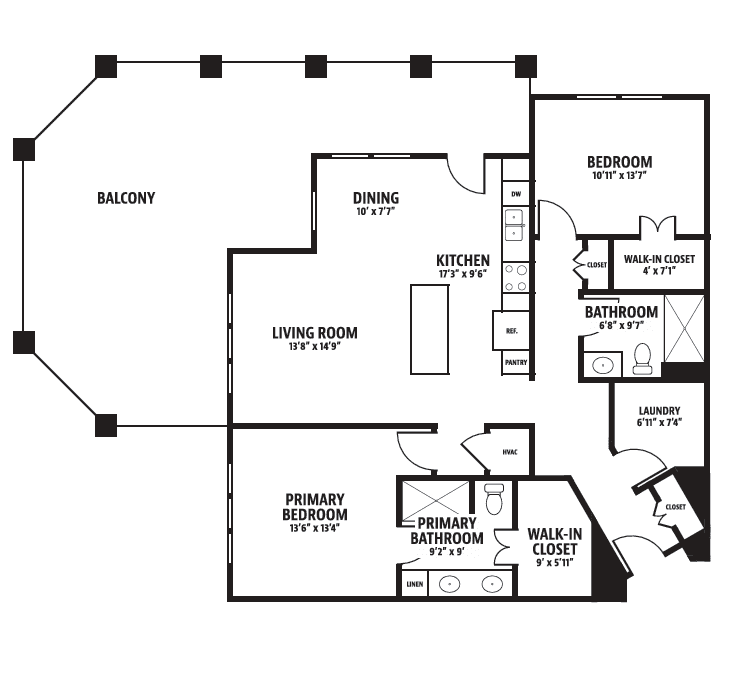
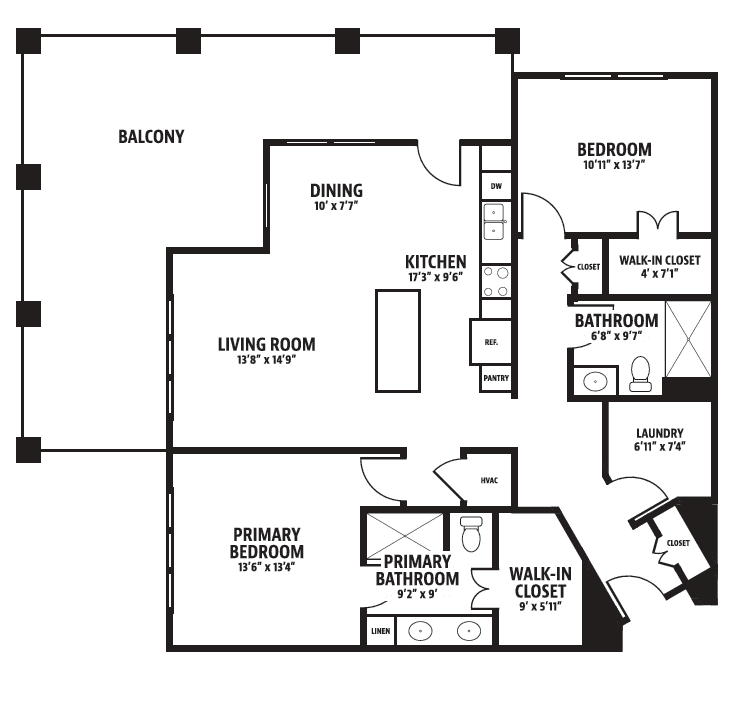
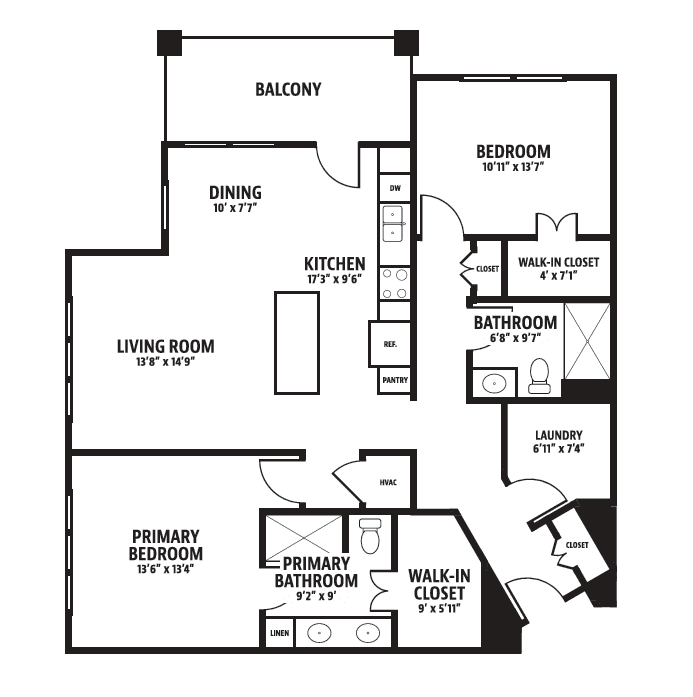
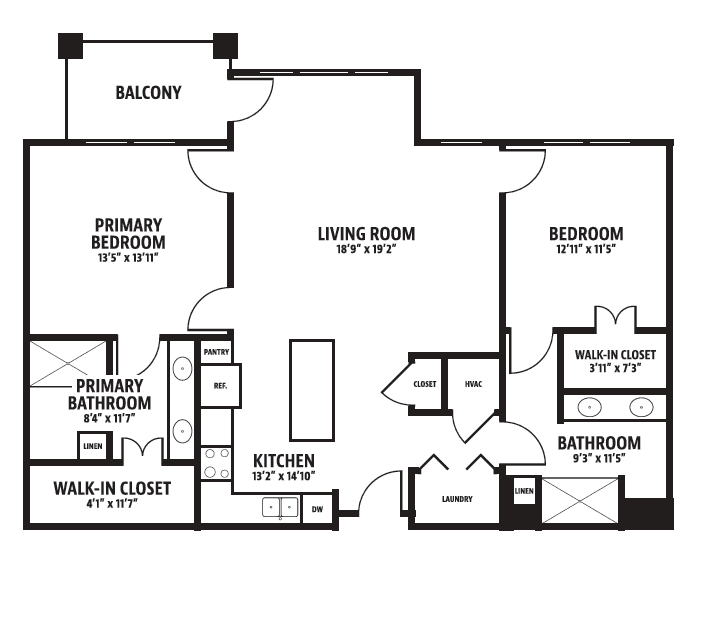
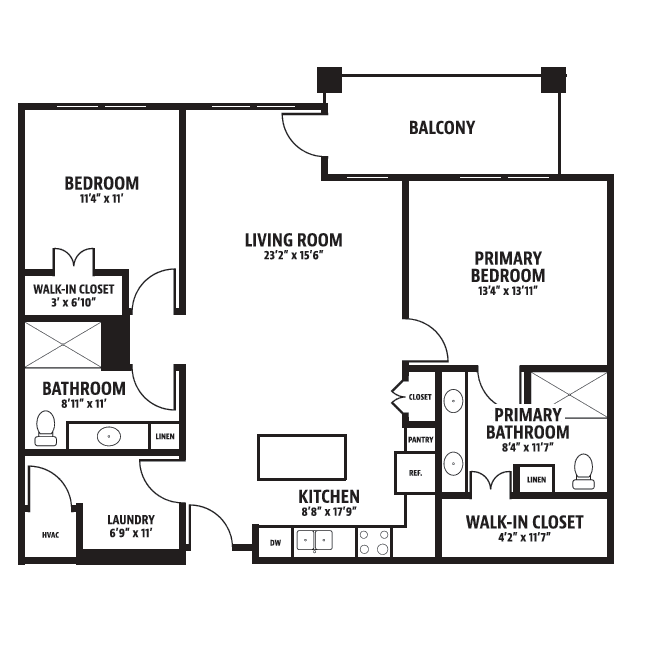
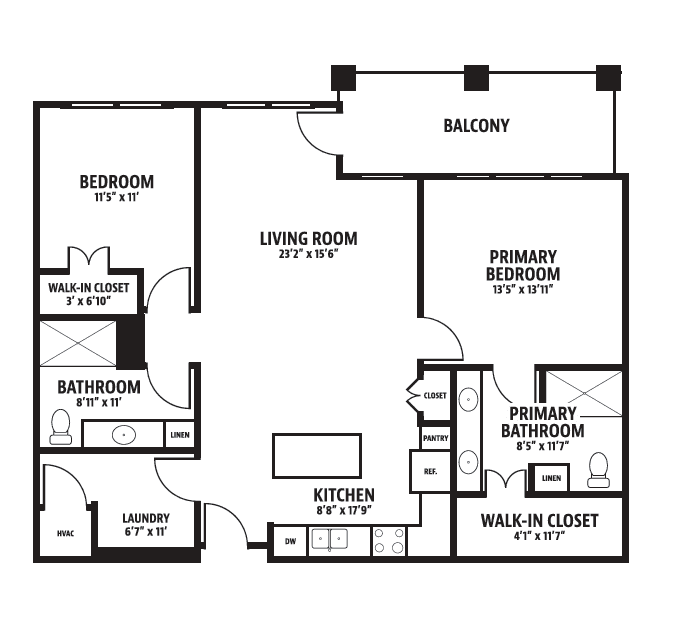
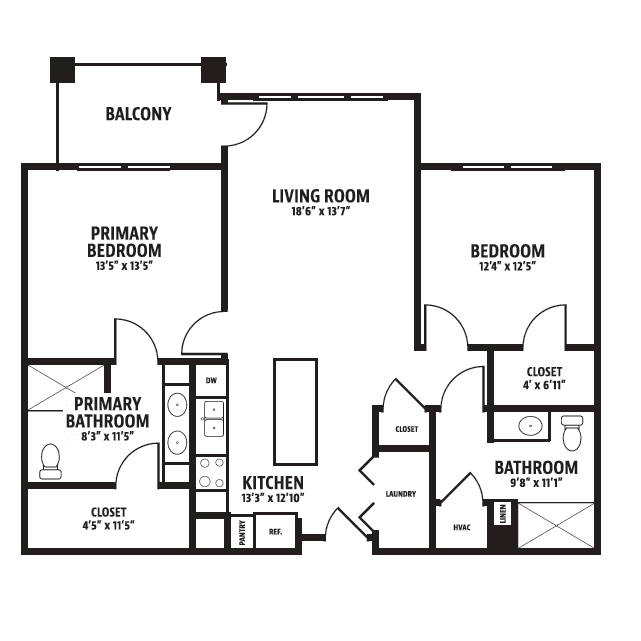
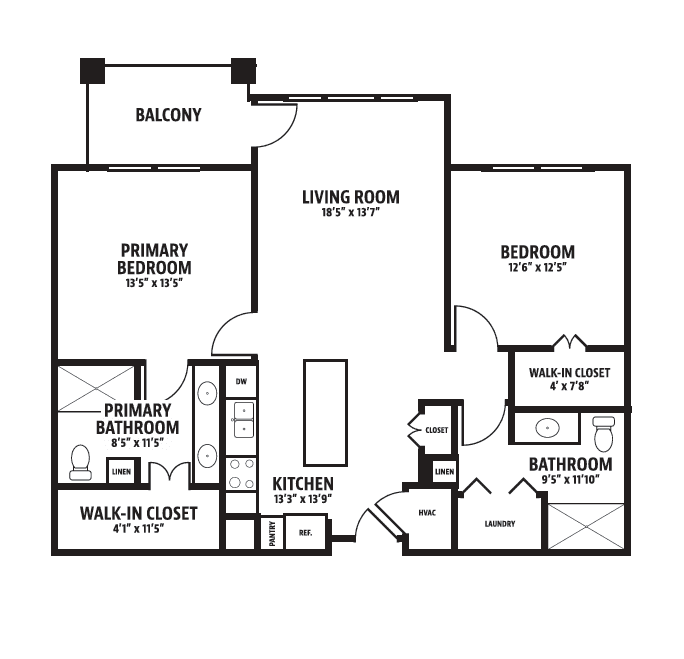
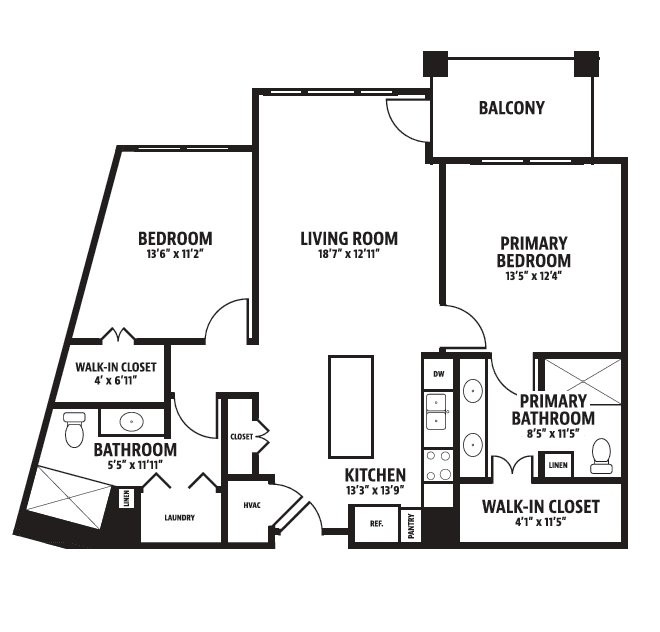
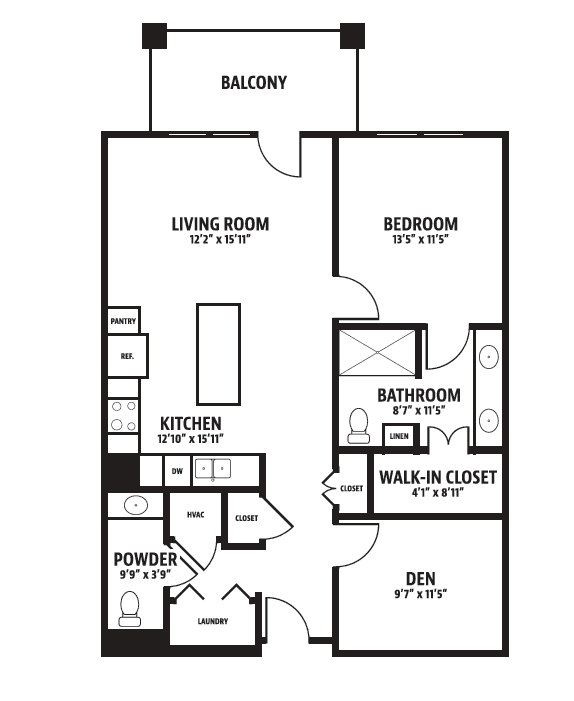
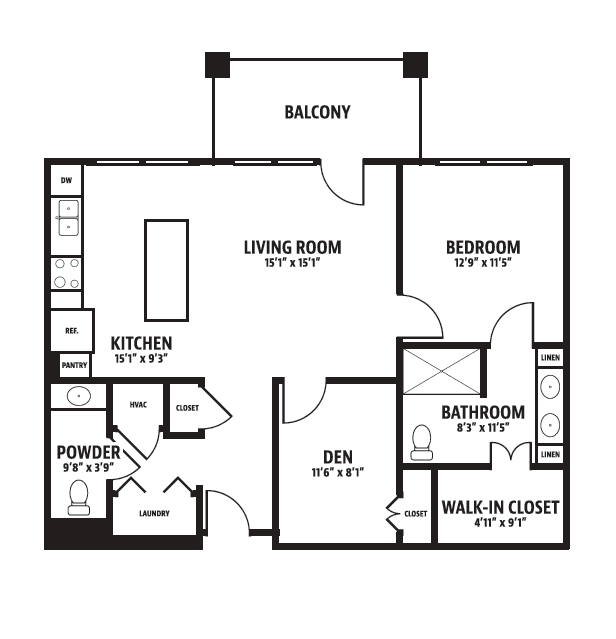
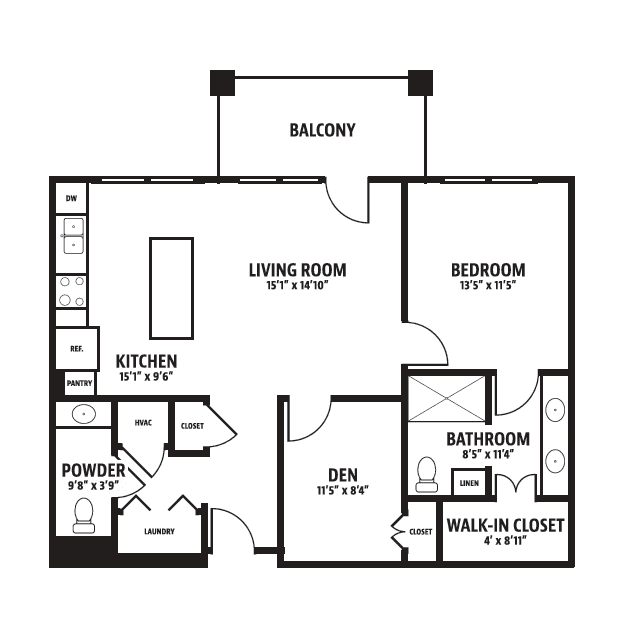
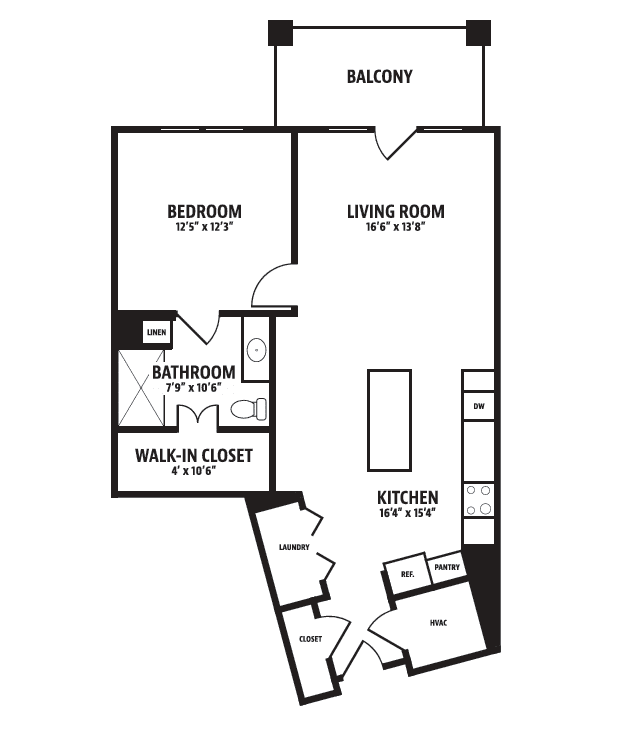
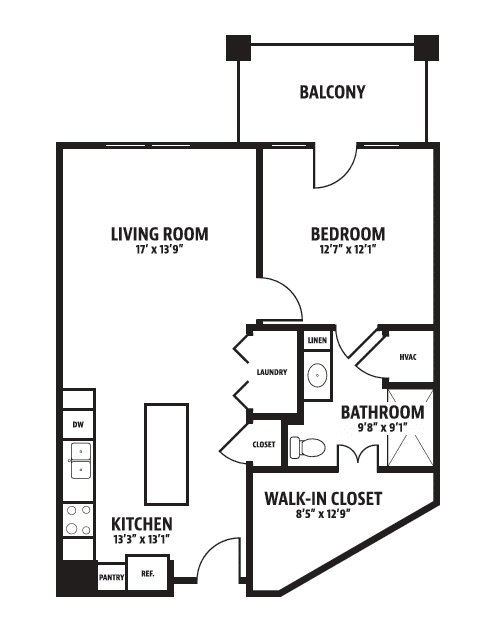
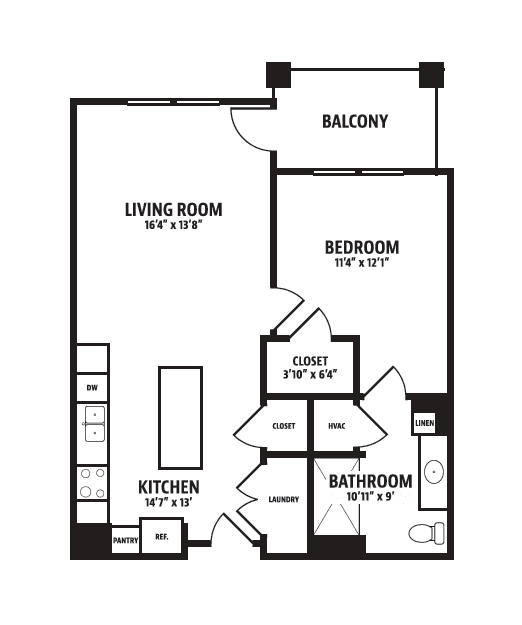
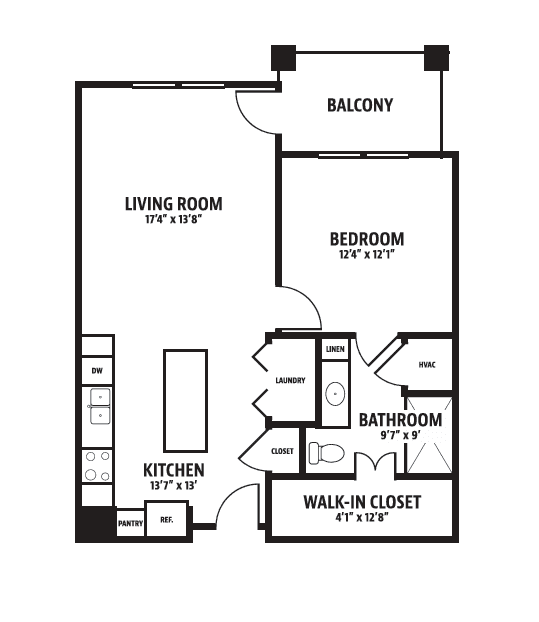
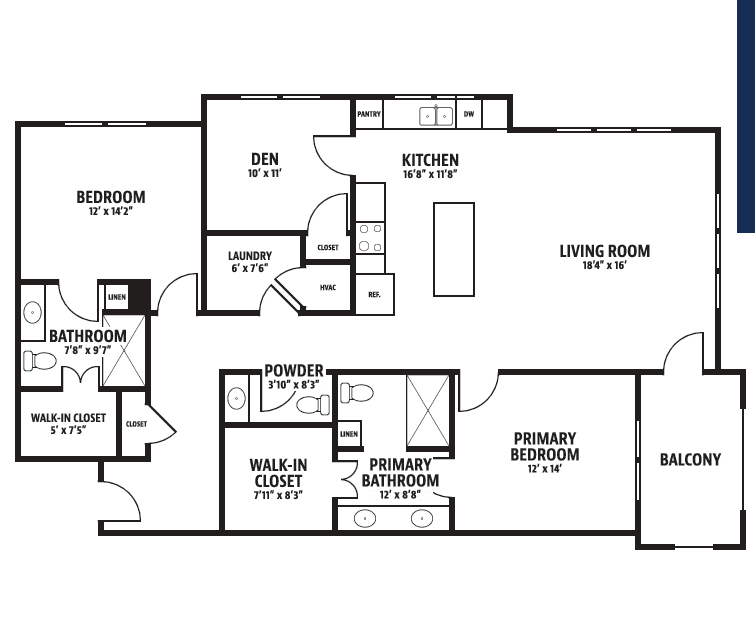
At Vista Point, residents have the freedom to choose from a variety of floor plans designed for both comfort and convenience. Many factors go into determining what size of senior apartment home will best suit your lifestyle. Rather than just focusing on square footage, our senior living apartments will be thoughtfully designed to maximize efficiency and storage. That may mean you can fit all you want and need into a smaller space than you expect. To help you estimate how much space you’ll need, ask yourself:

  • Will your current furniture and belongings fit?
  • Do you plan to entertain?
  • Do you need a designated office or hobby space?
  • Will you need extra storage space?
  • Is there room for your furry friend?

As you consider various senior apartments, here are some decorating tips to help you maximize space in whichever floor plan you choose:

  • Let the sunlight in: Bringing sunlight into a smaller space can also make a room feel larger. Remember to open your blinds regularly and keep the area around your windows clear to allow in as much light as possible.
  • Splash some color: Adding a warm color with pillows, furniture, or rugs can help create a cozy feeling. You can also experiment with shades of neutral, earthy tones to make rooms feel more grounded.
  • Get curvy: Curved shapes can make smaller spaces feel bigger. Consider using a round dining table or a sofa and chair set with a round coffee table.
  • Multifunctional furniture: To maximize your living space, consider furniture with more than one purpose like a hollow ottoman that can be used for storage, a platform bed that has storage drawers underneath, or a headboard with shelves.
  • Only the essentials: Having too much furniture will cramp the space. A bed, seating, and a small dining table are the only major pieces of furniture necessary for moving into a one-bedroom.
  • Customization options: Explore flooring, finishes, and other available upgrades to make your home truly yours.

By planning ahead, you can select a floor plan that supports your lifestyle, ensuring that your new home is both beautiful and functional.

Financial Planning for Senior Living: What to Review Before Making a Move

Moving to a Life Plan Community is not just about where you live — it’s about financial security for the future. That’s why it’s important to review key financial and legal aspects before making your move. Key financial considerations:

  • Understanding entrance fees: Vista Point offers a partially refundable entrance fee, providing both security and value for your estate.
  • Predictable monthly expenses: Unlike traditional homeownership, moving to a Life Plan Community eliminates the unpredictability of rising maintenance costs.
  • Tax preparation: No matter where you move, there’s no avoiding taxes. This is a good time to talk with your tax advisor to ensure you’re getting all the breaks you deserve. For example, moving to a Life Plan Community — like Vista Point — could provide you with tax breaks on your entrance fee and monthly service fee. You should also ask about the tax implications of selling your current home.
  • Consider long-term care insurance (LTCI): This type of insurance can help cover the costs of some types of health care not covered by Medicare. Like life insurance, the younger you are when you purchase LTCI, the less it costs. Consult your financial planner to determine whether LTCI is right for you.

Legal steps to take before moving:

  • Family discussion: Keeping your loved ones in the loop ensures that everyone is on the same page regarding your move and future plans.
  • Power of attorney: A power of attorney is a legal document that gives the authority to make decisions on your behalf to someone you trust like a child, sibling, or other trusted family member or friend. Your power of attorney arrangement is essential to managing your financial and health care affairs in the event you unexpectedly become unable to do so on your own.
  • Estate planning: Having a plan for your estate can dictate the distribution of your assets, relieve your heirs of mountains of paperwork, reduce taxes on the assets you leave behind, avoid weeks or months of legal entanglements, and avoid family disagreements and arguments.

By handling these steps early, you’ll have peace of mind knowing that your finances and future care are secured.

We’re Here to Help with Every Step of Your Journey

Preparing for your move to Vista Point before the community is even built gives you a unique advantage — you can take your time, plan with intention, and enjoy the process. If you would like help with personalized recommendations for your future home at Vista Point — the only Life Plan Community in the area to combine an amazing lifestyle with stunning waterfront views — call (860) 968-VIEW (8439) or contact us here.

Related Posts

Copyright 2026 Vista Point at Fairview

| All Rights Reserved | Privacy Policy | Sitemap

EHO logo
ADA Logo
Pet-friendly Logo
Diversity Heart Logo
Copyright 2026 Vista Point at Fairview

All Rights Reserved | Privacy Policy
You're almost there!

Fill out the short form below to start receiving new blog notices right to your inbox.

Saybrook

2 Bedroom / 2.5 Bath Corner With Den 1,580 sq. ft.

Niantic

2 Bedroom / 2 Bath With Den 1,478 sq. ft.

Essex

2 Bedroom / 2 Bath Corner 1,400 sq. ft.

Westerly

2 Bedroom / 2.5 Bath Grand With Den 1,458 sq. ft.

Ocean House

2 Bedroom / 2 Bath Special 1,448 sq. ft.

Napatree

2 Bedroom / 2 Bath Special 1,427 sq. ft.

Watch Hill

2 Bedroom / 2 Bath Special (Balcony 3) 1,411 sq. ft.

Watch Hill

2 Bedroom / 2 Bath Special (Balcony 2) 1,411 sq. ft.

Watch Hill

2 Bedroom / 2 Bath Special (Balcony 1) 1,411 sq. ft.

Noank

2 Bedroom / 2 Bath Deluxe
1,352 sq. ft.

Mystic

2 Bedroom / 2 Bath Traditional Corner 1,280 sq. ft.

Mystic

2 Bedroom / 2 Bath Traditional 1,280 sq. ft.

Mumford

2 Bedroom / 2 Bath Classic (Type A)
1,216 sq. ft.

Mumford

2 Bedroom / 2 Bath Classic
1,216 sq. ft.

Mumford

2 Bedroom / 2 Bath Classic (Unique)
1,189 sq. ft.

Mason

1 Bedroom / 1.5 Bath With Den (Alt)
1,079 sq. ft.

Long Point

1 Bedroom / 1.5 Bath With Den (Type A)
1,030 sq. ft.

Long Point

1 Bedroom / 1.5 Bath With Den
1,030 sq. ft.

Ledyard

1 Bedroom / 1 Bath Deluxe Corner
911 sq. ft.

GAles Ferry

1 Bedroom / 1 Bath Deluxe (Unique)
824 sq. ft.

GAles Ferry

1 Bedroom / 1 Bath Deluxe (Type A)
824 sq. ft.

GAles Ferry

1 Bedroom / 1 Bath Deluxe 
824 sq. ft.